You are not logged in.
#21 03-09-2026 11:34:44
- HFM
- Member

- Registered: 26-06-2014
- Posts: 2051
Re: HFMarkets (hfm.com): Market analysis services.
Date: 3rd September 2026.
Yen Surges, Oil Wavers, and Wall Street Holds Its Breath.
Trading Leveraged products is Risky
Global markets opened Thursday in a distinctly jittery mood. Asian equities whipsawed, the Japanese Yen powered to its strongest level in nearly a month, oil pulled back from a volatile session tied to renewed US-Iran hostilities, and traders everywhere seemed to be marking time until Friday?s US jobs report. Here?s a breakdown of the biggest stories moving markets today , and what they could mean heading into the weekend.
Asian Stocks Take Investors on a Rollercoaster Ride
South Korean tech stocks were the epicentre of Thursday's volatility. The Kospi Index, often treated as a proxy for global AI investment sentiment, surged as much as 1.8% before abruptly reversing into a 1.9% decline, a swing of nearly four percentage points in a single session.
The broader MSCI Asia-Pacific gauge followed a similar, if less dramatic, arc: up as much as 1.2%, nearly flat by midday, then closing 0.6% higher. Meanwhile, outside Japan, the region?s shares climbed roughly 0.8%, building on modest overnight gains from Wall Street. Futures for US and European equities stayed largely range-bound, suggesting traders are waiting for clearer signals before committing to a direction.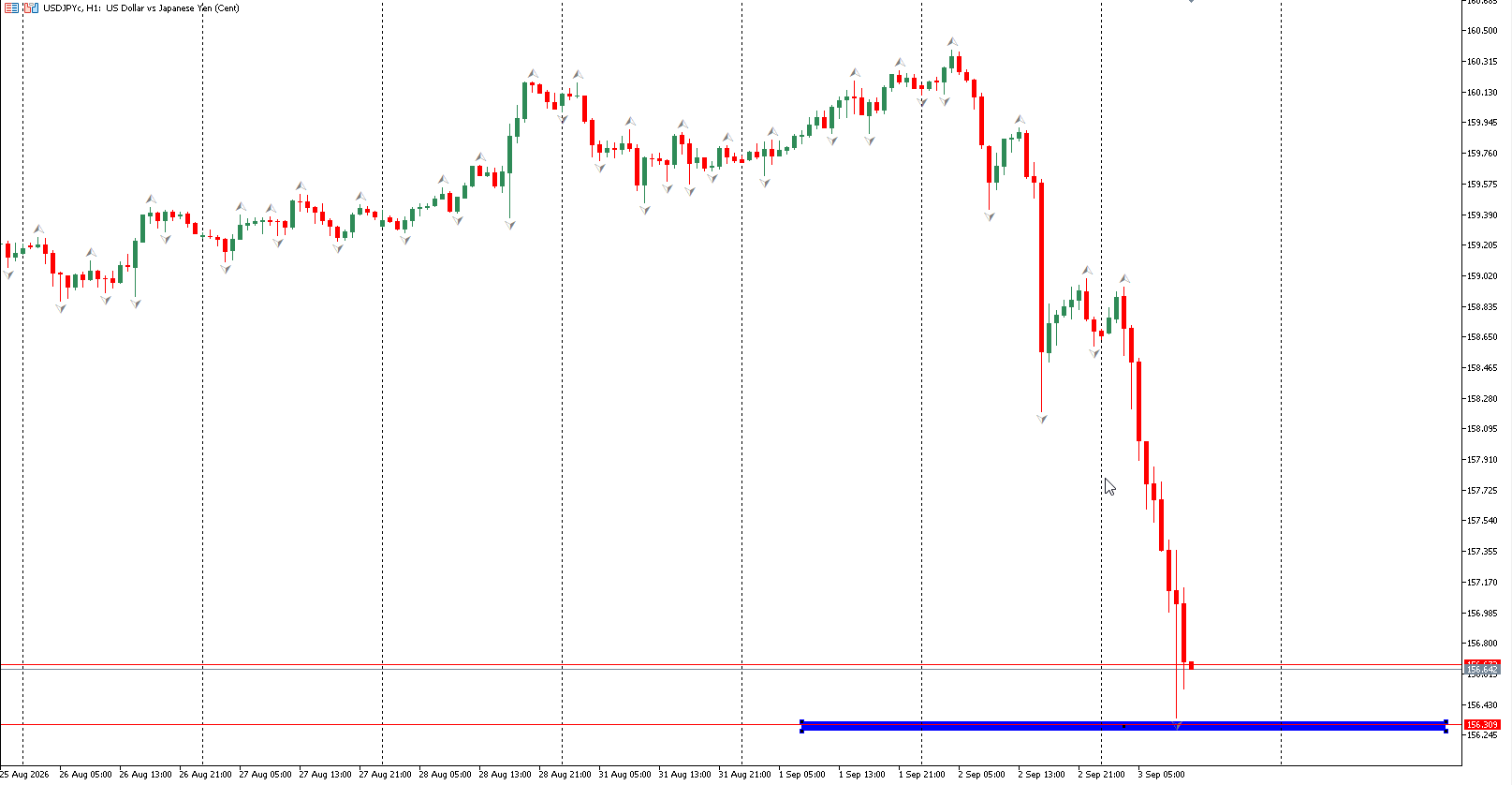
The Yen?s Sharp Rally Has Everyone Watching Tokyo
If there?s one story dominating trading desks this week, it's the Yen. The currency jumped as much as 0.9% in the prior session and extended that move on Thursday, touching roughly 157.3-157.5 per Dollar, its strongest level in nearly a month.
The catalyst: increasingly hawkish signals from the Bank of Japan. Board member Hajime Takata suggested the central bank should be willing to raise rates nimbly rather than sticking to a fixed semiannual cadence, a comment analysts described as some of the most direct hawkish messaging yet from BoJ leadership. Markets have responded by fully pricing in a quarter-point hike at this month?s BoJ meeting, with only a small probability assigned to a larger 50-basis-point move.
Strategists are split on whether Japanese authorities intervened to support the currency. Most analysts believe the move reflects genuine rate repricing rather than official action, noting that the scale of the shift was too modest to represent a coordinated intervention. Strength in Japan?s services sector, which expanded at its fastest pace in five months in August, added further fuel to the case for tighter policy.
The Yen?s rally rippled across currency markets, dragging the euro and British pound lower against it, while the US Dollar index slipped for a second straight session.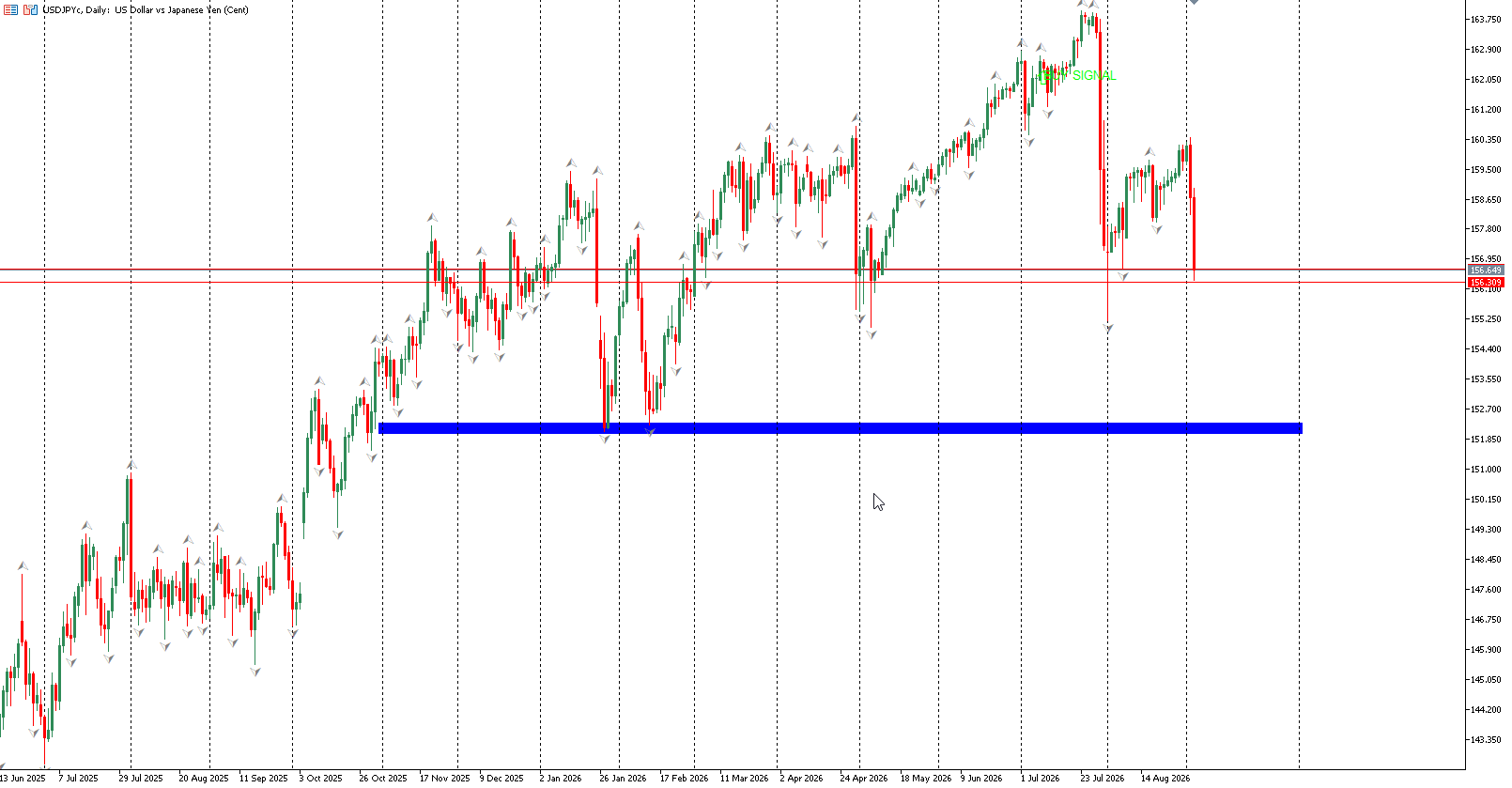
Oil Retreats as US-Iran Tensions Show Tentative Signs of Easing
Crude prices pulled back after a turbulent session driven by fresh military exchanges between the United States and Iran, the most significant flare-up in the conflict since July, now in its seventh month. Brent crude eased towards roughly $94-95 a barrel, while US West Texas Intermediate slipped below $91, both retreating from highs not seen since late July.
President Trump indicated that the renewed campaign against Iran would be short-lived, saying US forces had struck Iranian radar and missile systems along the Strait of Hormuz. Traffic through the critical waterway remained thin, with shipping data showing only a handful of vessels transiting versus a typical 10-day average of around 13, though the US separately noted that Monday saw the largest volume of crude pass through the strait since the conflict began.
Elsewhere in energy markets, European natural gas futures extended a four-day winning streak towards their highest close since early 2023, and copper prices in London crept closer to January?s record high.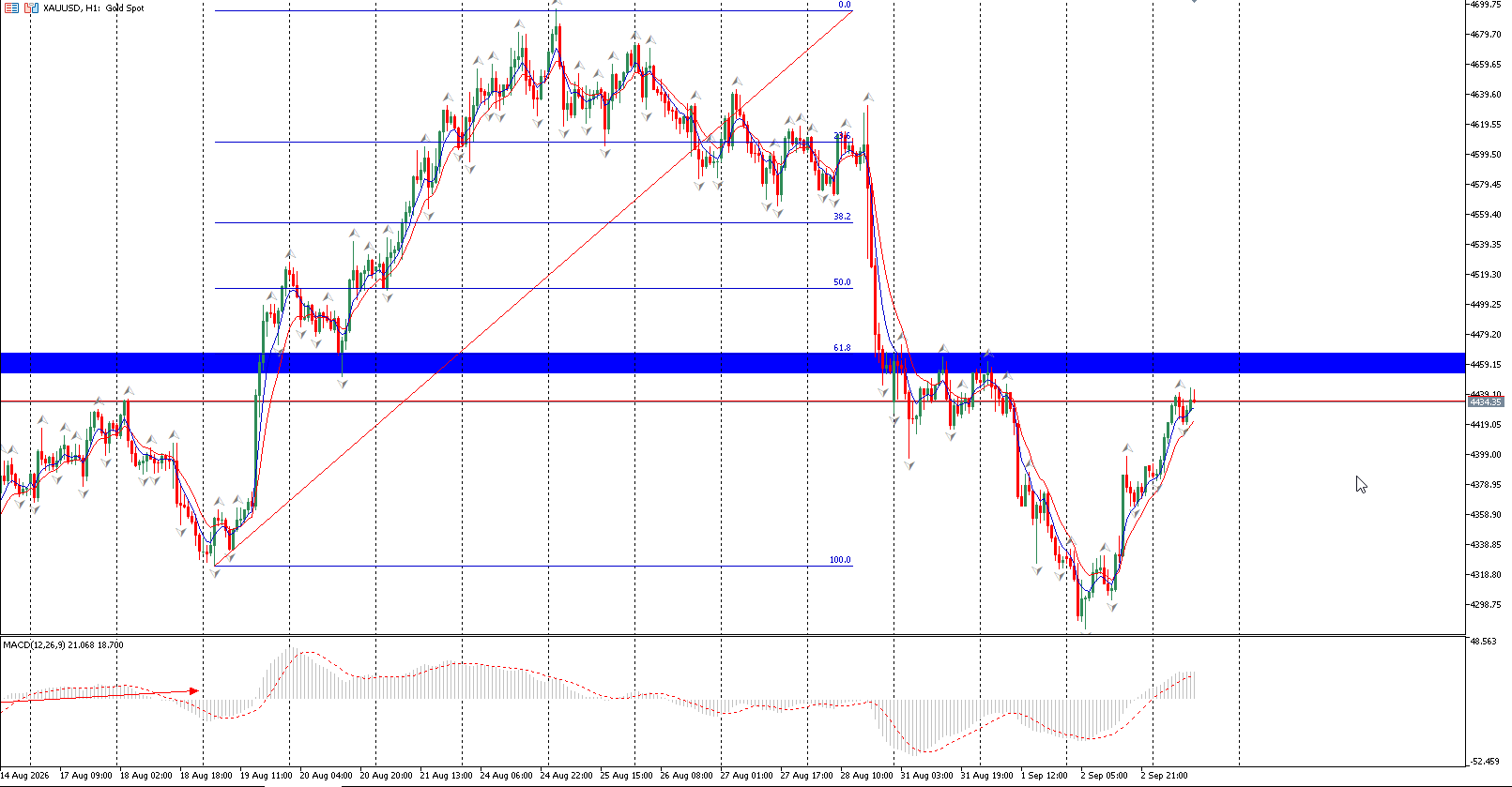
All Eyes on Friday's Jobs Report as Rate-Hike Bets Climb
Behind the currency and commodity moves lies a bigger question: what will the Federal Reserve do next? Traders have sharply raised the odds of a September rate hike, with futures markets now pricing in roughly a 61-62% probability, up from just 37% a week earlier, following a disappointing private payrolls reading for August.
New York Fed President John Williams tempered some of that enthusiasm, framing rising long-term yields as a sign of underlying economic strength rather than a reason to panic, while noting that he's still gathering data ahead of the Fed's next decision. Fed Governor Christopher Waller is due to speak next, and Friday's nonfarm payrolls report, expected to show a modest gain of around 56,000 jobs after July's surprise drop, could be the decisive data point.
Treasury yields eased slightly from multi-decade highs, with the 10-year hovering near 4.77% and long-dated Japanese government bonds also pulling back from record levels after a well-received 30-year debt auction. Gold, meanwhile, extended its safe-haven rally, climbing more than 1% to trade above $4,430 an ounce.
The Bottom Line
Thursday?s session captured a market caught between competing forces: a hawkish BoJ pulling the Yen higher, an uneasy ceasefire-adjacent moment in the Middle East pulling oil lower, and a Federal Reserve that markets increasingly expect to tighten policy this month. With Friday?s payrolls report now the market's central focus, expect volatility to persist until traders get the clarity they are looking for.
Always trade with strict risk management. Your capital is the single most important aspect of your trading business.
Please note that times displayed based on local time zone and are from time of writing this report.
Click HERE to access the full HFM Economic calendar.
Want to learn to trade and analyse the markets? Join our webinars and get analysis and trading ideas combined with better understanding of how markets work. Click HERE to register for FREE!
Click HERE to READ more Market news.
Andria Pichidi
HFMarkets
Disclaimer: This material is provided as a general marketing communication for information purposes only and does not constitute an independent investment research. Nothing in this communication contains, or should be considered as containing, an investment advice or an investment recommendation or a solicitation for the purpose of buying or selling of any financial instrument. All information provided is gathered from reputable sources and any information containing an indication of past performance is not a guarantee or reliable indicator of future performance. Users acknowledge that any investment in Leveraged Products is characterized by a certain degree of uncertainty and that any investment of this nature involves a high level of risk for which the users are solely responsible and liable. We assume no liability for any loss arising from any investment made based on the information provided in this communication. This communication must not be reproduced or further distributed without our prior written permission.
Offline
#22 04-09-2026 11:24:27
- HFM
- Member
- Registered: 26-06-2014
- Posts: 2051
Re: HFMarkets (hfm.com): Market analysis services.
Date: 4th September 2026.
Waller's Dovish Pivot Keeps the Dollar on the Back Foot Into Payrolls.
Trading Leveraged products is Risky
Risk assets extended their advance overnight as traders further pared back the odds of a September Fed hike following dovish remarks from Governor Christopher Waller. The Dollar sits near multi-month lows, the Yen is having its best week since the July intervention, and havens like Gold are holding firm even as oil grinds higher on Middle East supply risk. All eyes now turn to today?s payrolls report to settle the debate.
USD: Payrolls Need to Shock to Change the Story
The Dollar?s slide has further to run unless today?s jobs report delivers a genuine upside surprise. Governor Waller told a Reuters NEXT event that he could support holding rates steady this month if incoming data confirms the disinflation trend already underway, a notable break from Chair Kevin Warsh's hawkish tone last week. He pointed to the Fed's preferred inflation gauge, core PCE, cooling to 3.7% in July from 4.1% in May, as evidence the trend is intact, and added that he doesn't expect payrolls to deviate much from the recent trend of a stable but unspectacular labour market.
Markets have listened. Pricing for a 25-basis-point September hike has fallen to roughly a coin flip, down sharply from the high 60s just a couple of days ago, and a broad Dollar index is trading at its softest levels since May. Consensus looks for around 56,000 jobs after last month?s shock decline, with unemployment seen steady at 4.1%, a number the Fed still reads as close to full employment. A print in line with or below consensus should keep the Dollar offered into the weekend; only a genuinely hot number is likely to revive hike bets meaningfully, given the Fed's stated focus is now squarely on the inflation side of its mandate rather than labour slack.
Treasuries have caught a bid alongside the Dollar?s weakness. Two-year yields are holding near 4.33%, off their 20-month highs, while the curve has bull-steepened as the front end outperforms. Ten- and 30-year yields have also eased modestly, though longer-dated paper remains hostage to inflation and fiscal-supply concerns that a single jobs report won't resolve.
JPY: Best Week Since the Intervention, but the Move May Be Maturing
The Yen has been the standout story this week, rallying as much as 2% in a single session and putting it on track for its strongest week since Japan and the US jointly intervened to arrest its slide. USD/JPY has pulled back from a low near 155.30 to trade around 156.30 as some of the move gets pared, but the underlying driver, rapidly rising conviction in a Bank of Japan hike this month, remains intact. Swaps now imply roughly a 75% chance of a September move, with an increase fully priced by October, and speculation is building that policymakers could even deliver back-to-back hikes or a larger single step.
Speculation that Japan?s pension giants, including the GPIF, may lean further into domestic bonds has also helped anchor the long end of the JGB curve, with super-long-term yields easing even as global yields stay elevated. That combination, a more hawkish BoJ and firmer demand for domestic duration, is a supportive backdrop for the Yen, though positioning is less stretched than during prior Yen squeezes, which argues for consolidation rather than an immediate extension towards the 150-152 area.
Commodities: Oil's Geopolitical Bid, Gold Steady
Brent crude is holding just above $95.50 per barrel and is on track for its biggest weekly gain since July, driven by renewed US-Iran tensions and fears of prolonged disruption to flows through the Strait of Hormuz. That geopolitical premium is one of the few forces working against the broader disinflation narrative the Fed is trying to build a case around. Gold, meanwhile, is consolidating near $4,470 per ounce after a 2% overnight rally, on course to finish the week roughly flat, a sign that havens are being supported more by real-yield declines than by any fresh flight-to-safety impulse.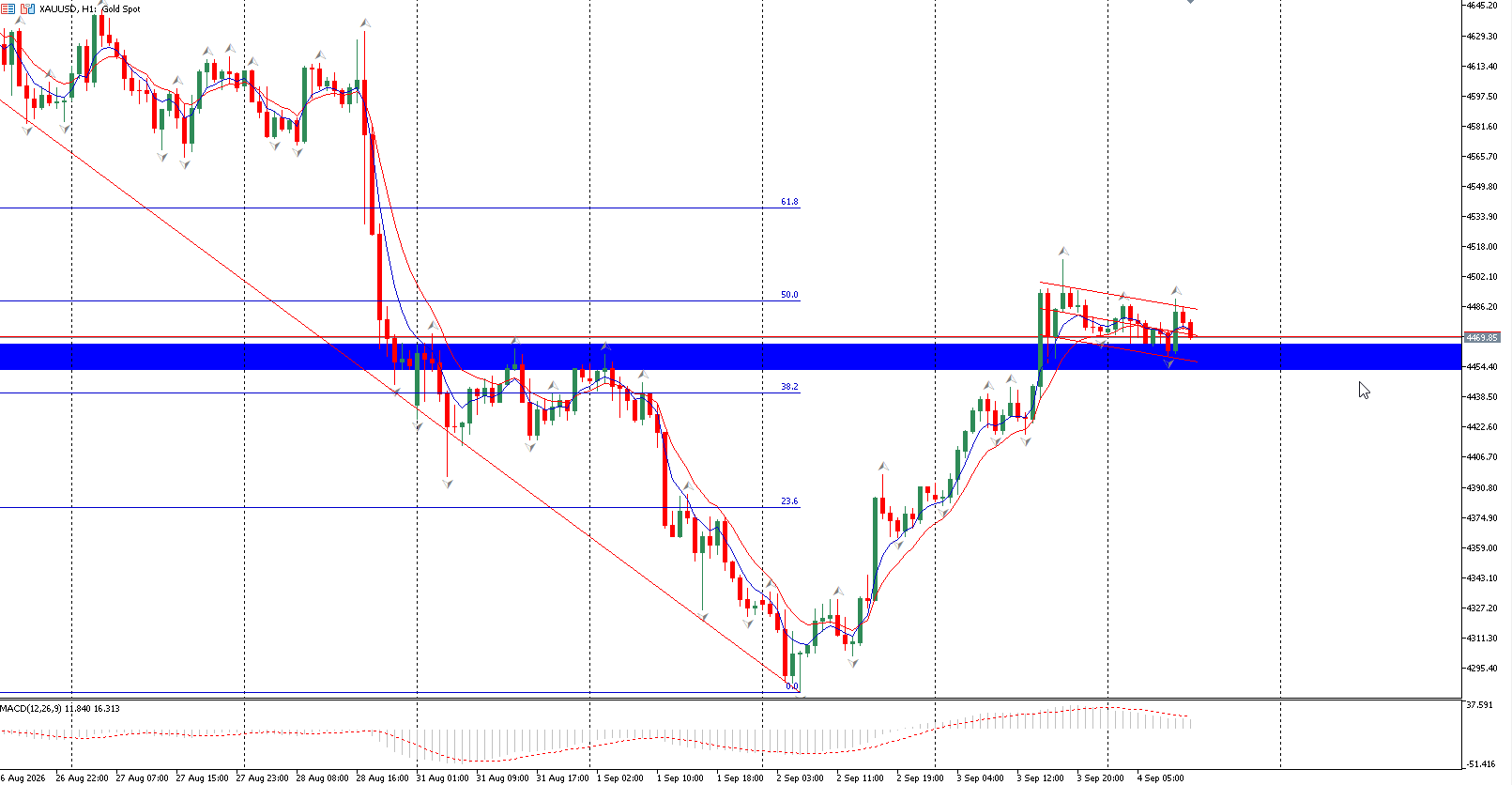
Risk Sentiment: Equities Extend Gains, Asia Leads
The broader risk backdrop remains constructive. Wall Street?s rally on Waller's comments carried into Asia, where the regional equity gauge climbed around 1%, China's blue chips jumped 4%, and South Korea?s KOSPI rose 2%; Japan?s Nikkei 225 added 1.4% on the day but is still nursing a weekly loss of nearly 2% given the Yen's surge. Nasdaq and S&P futures point to a firmer US open, and European equities are set to open modestly higher too. Strategists caution that the picture is still finely balanced: with roughly two weeks to the Fed decision and mid-term elections looming, several see the risks to sentiment as skewed slightly to the downside from here, arguing for a degree of caution even as markets chase the dovish narrative.
What to Watch
Today?s US non-farm payrolls report (consensus 56,000, unemployment 4.1%) is the clear focus. A soft or in-line print should reinforce the Dollar-negative, Yen-positive, risk-on setup currently in place; a strong beat would revive September hike pricing quickly, given how far it has already fallen this week, and could trigger a sharper reversal in both rates and FX than the market is currently positioned for.
Always trade with strict risk management. Your capital is the single most important aspect of your trading business.
Please note that times displayed based on local time zone and are from time of writing this report.
Click HERE to access the full HFM Economic calendar.
Want to learn to trade and analyse the markets? Join our webinars and get analysis and trading ideas combined with better understanding of how markets work. Click HERE to register for FREE!
Click HERE to READ more Market news.
Andria Pichidi
HFMarkets
Disclaimer: This material is provided as a general marketing communication for information purposes only and does not constitute an independent investment research. Nothing in this communication contains, or should be considered as containing, an investment advice or an investment recommendation or a solicitation for the purpose of buying or selling of any financial instrument. All information provided is gathered from reputable sources and any information containing an indication of past performance is not a guarantee or reliable indicator of future performance. Users acknowledge that any investment in Leveraged Products is characterized by a certain degree of uncertainty and that any investment of this nature involves a high level of risk for which the users are solely responsible and liable. We assume no liability for any loss arising from any investment made based on the information provided in this communication. This communication must not be reproduced or further distributed without our prior written permission.
Offline
#23 07-09-2026 10:30:16
- HFM
- Member
- Registered: 26-06-2014
- Posts: 2051
Re: HFMarkets (hfm.com): Market analysis services.
Date: 7th September 2026.
NFP Shocks Markets as Fed, ECB, and Middle East Risks Take Focus.
Trading Leveraged products is Risky
Strong US employment data makes an interest rate hike almost certain, pressuring Gold, certain stocks, and supporting the Dollar. At the same time, Middle East tensions continue to rise as Iran and the US target tankers. Lastly, Germany, the largest European economy, has seen its far-right party win in regional elections.
The US will witness lower order flow due to today?s bank holiday. Nonetheless, the market is still likely to witness high volatility as investors price in recent developments. In addition to this, investors will now turn their attention to the upcoming European Central Bank rate decision, US producer inflation, and consumer inflation.
German Election, European Central Bank and the Euro
The Euro is trading slightly higher during this morning?s Asian session, but this is a minor bullish bias. Investors are attempting to remain calm as local elections continue to indicate a switch towards the far right. According to economists, far-right governments do not necessarily mean a negative impact on the Euro, but instability would. For example, if governments are unable to form in Germany, Italy, and Spain, similar to France, the Euro could come under pressure.
Nonetheless, for now, the far-right win in Germany is not negatively impacting the Euro. In fact, the Euro is finding some support from expectations that the European Central Bank will increase rates on Thursday. Markets expect the ECB to increase its main refinancing rate from 2.40% to 2.65%. This would take the ECB?s rate to an 18-month high.
The EUR this morning is performing particularly well against the NZD, but as the NZD is the worst-performing of the day so far, traders should be cautious of a correction. Currently, the EUR/NZD is above the 200-bar moving average on the 5-minute chart and is above the VWAP. However, the RSI is trading in the negative zone, which again may indicate a correction. If the price rises above 1.97770, bullish signals can remain. If the price falls below the 1.97543 support level, indications will turn bearish.
Gold and NFP
The latest US non-farm payrolls report showed a much stronger-than-expected employment sector. The release was the largest surprise since April 2026, with the economy adding 162,000 jobs in August, almost three times the market forecast of around 56,000.
Meanwhile, the unemployment rate remained unchanged at 4.1%. The labour force participation rate rose to 61.6%, providing further evidence that labour market conditions remain relatively resilient. According to economists, there is now very little reason for the Federal Reserve not to hike interest rates. Now, 60% of investors believe the Federal Reserve will hike on 16 September.
The stronger employment data strengthened expectations that the Federal Reserve could raise interest rates at its September meeting, particularly as policymakers continue to monitor elevated inflation.
Following the report, US Treasury yields and the Dollar moved higher, while Gold came under pressure, as markets increased their probability of a September rate hike. Attention now shifts to the upcoming US inflation data, which could be decisive for the Fed?s next move.
Gold came under instant pressure after the release, falling 2.40% in a period of 45 minutes. However, Gold has not maintained its bearish momentum, but still retains its bearish bias on certain timeframes, such as the 30-minute chart. On the 5-minute timeframe, the price is attempting to break above the 200-bar moving average. If the price breaks above this level at $4,418.50, bullish signals may materialise.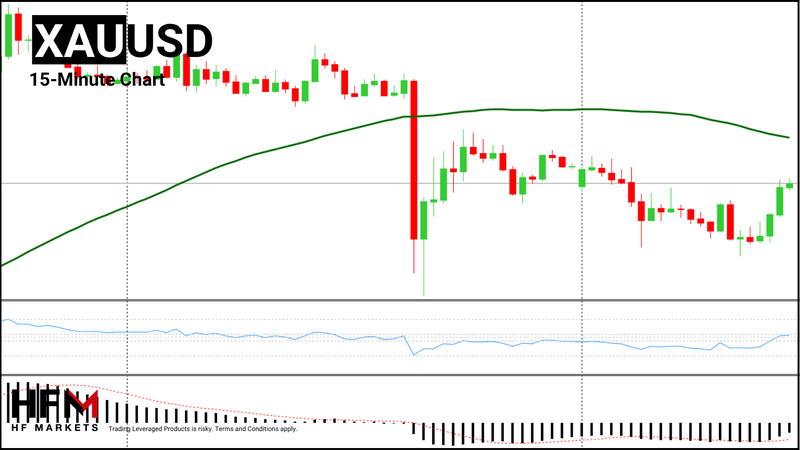
HFM - Gold 30-Minute Chart
A positive factor for Gold is that the US Dollar Index is trading lower this morning. However, traders should note that certain price movements may be due to low order flow because of the US bank holiday.
Crude Oil - Middle East Tensions Rise
The US-Iran conflict escalated further over the weekend as Iran said it targeted three oil tankers in the Strait of Hormuz, describing the attacks as retaliation for US strikes on Iranian vessels. The US had earlier hit three Iranian crude carriers after American warships came under ballistic missile attack.
The latest developments have sharply increased risks to energy flows through the Strait of Hormuz. This has pushed oil prices higher and raised concerns over prolonged supply disruptions from the Middle East. Crude oil prices came close to reaching a new monthly high but have found resistance. This comes as Iran says negotiations with Oman are progressing positively despite the weekend?s developments.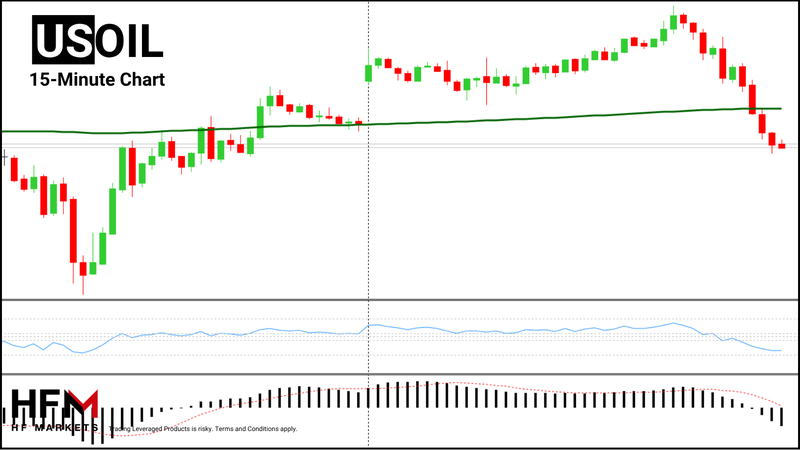
HFM - Crude Oil 15-Minute Chart
Key Takeaways:
* Strong NFP boosts Fed hike expectations: The US added 162,000 jobs in August, well above forecasts, increasing expectations for a September rate hike.
* Gold remains under pressure: Gold fell sharply following the NFP release as Treasury yields and the US Dollar strengthened, although some recovery attempts have emerged.
* Oil supported by Middle East tensions: Escalating US-Iran tensions and attacks involving oil tankers have increased concerns over potential supply disruptions through the Strait of Hormuz.
* ECB and European politics in focus: The Euro remains supported by expectations of an ECB rate hike, while Germany?s regional election results add further political uncertainty for investors.
Always trade with strict risk management. Your capital is the single most important aspect of your trading business.
Please note that times displayed based on local time zone and are from time of writing this report.
Click HERE to access the full HFM Economic calendar.
Want to learn to trade and analyse the markets? Join our webinars and get analysis and trading ideas combined with better understanding of how markets work. Click HERE to register for FREE!
Click HERE to READ more Market news.
Michalis Efthymiou
HFMarkets
Disclaimer: This material is provided as a general marketing communication for information purposes only and does not constitute an independent investment research. Nothing in this communication contains, or should be considered as containing, an investment advice or an investment recommendation or a solicitation for the purpose of buying or selling of any financial instrument. All information provided is gathered from reputable sources and any information containing an indication of past performance is not a guarantee or reliable indicator of future performance. Users acknowledge that any investment in Leveraged Products is characterized by a certain degree of uncertainty and that any investment of this nature involves a high level of risk for which the users are solely responsible and liable. We assume no liability for any loss arising from any investment made based on the information provided in this communication. This communication must not be reproduced or further distributed without our prior written permission.
Offline
#24 08-09-2026 10:50:18
- HFM
- Member
- Registered: 26-06-2014
- Posts: 2051
Re: HFMarkets (hfm.com): Market analysis services.
Date: 8th September 2026.
Japanese Yen Hits February High as BoJ Rate-Hike Expectations Rise.
Trading Leveraged products is Risky
The Japanese Yen continues to increase in value, rising to its highest level since February. The rise in value is due to expectations of a more hawkish Bank of Japan and currency intervention. According to the Japanese government, as well as many institutions on Wall Street, this price movement is different and may not simply lose momentum like previous interventions.
BoJ - Two Rate Hikes on the Table
Many economists believe the recent strengthening of the Japanese Yen could be different from previous moves. One key reason is the prospect of further tightening from the Bank of Japan. While even the more hawkish forecasts generally point to quarterly rather than back-to-back rate hikes, expectations are building that the BoJ could raise rates again before the end of the year.
Prime Minister Takaichi?s economic adviser, Takuji Aida, recently indicated that he expects a September rate hike followed by quarterly increases. Most economists do not expect consecutive hikes. Nevertheless, a second hike before year-end remains a possibility.
This creates the potential for the BoJ to tighten monetary policy at a faster pace than the Federal Reserve over the medium term. As a result, the Japanese Yen has continued to strengthen across the currency market, while USD/JPY has come under increasing downward pressure.
Bruce Kasman, JPMorgan?s global head of economics, said that the bank forecasts two adjustments before year-end. Markets themselves are pricing in roughly a 60% chance of another move by December after the expected September hike. Bank of America also backs two hikes, with its economists advising quarterly hikes, including September and December 2026. According to reports, its foreign exchange team has also turned bullish on the Japanese yen for the rest of 2026.
Higher Exchange Rate to OffSet Higher Oil Prices
Japan is extremely exposed to imported energy. More than 90% of Japan?s crude oil imports come from the Middle East. The government also stated earlier that roughly 93% of its crude imports normally pass through the Strait of Hormuz. For this reason, it is vital for the government and Bank of Japan to boost the currency in order to purchase energy products more easily.
Governor Ueda has specifically identified the weak Yen and geopolitical developments in the Middle East as factors that could increase inflation risks. These risks will be considered when deciding whether to raise interest rates further. If the Bank of Japan adjusts rates from 1.00% to 1.50% by 2027, it would take the rate to the highest level since 1995.
GBP/JPY and CHF/JPY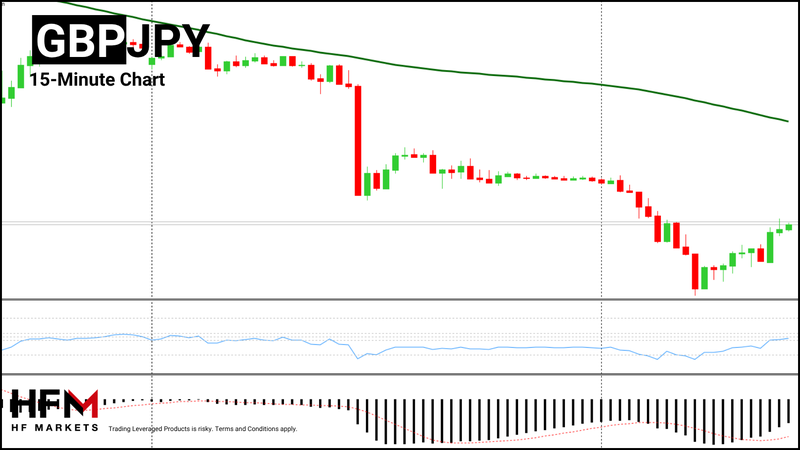
HFM - GBPJPY 30-Minute Chart
Even though the USD/JPY is one of the most popular assets to be traded, other currency pairs are also interesting. Investors should note that the Federal Reserve is also looking to hike interest rates, and it's a safe haven currency. For this reason, at times, the US Dollar may also experience strong gains. The US Dollar is the second-best-performing currency this year after the Australian Dollar. By contrast, the Swiss Franc and British Pound are among the weakest-performing currencies of 2026 so far.
The GBP/JPY is trading lower this morning falling particularly in the first half of the Asian session. The pair is currently rated ?Strong Sell? on the 30-minute, hourly, 4-hour, and daily timeframes. However, on smaller timeframes, traders are cautious of the retracement that is forming. The RSI is not indicating an oversold price due to the retracement, while the MACD remains negative.
Importantly, the price remains below the 20, 50, 100, and 200-period moving averages. The price is trading at a key support level from earlier in the year, but if the price drops again below 207.383, sell indications remain.
The CHF/JPY is witnessing a similar condition to the GBP/JPY but is experiencing stronger bearish momentum. However, on larger timeframes, CHF/JPY is witnessing an oversold indication on the RSI.
Key Takeaways:
* The Japanese Yen has strengthened to its highest level since February.
* Expectations are increasing for further Bank of Japan rate hikes before year-end.
* Higher oil prices are adding to inflation risks and increasing the importance of a stronger Yen.
* GBP/JPY and CHF/JPY remain under downward pressure as the Yen continues to strengthen.
Always trade with strict risk management. Your capital is the single most important aspect of your trading business.
Please note that times displayed based on local time zone and are from time of writing this report.
Click HERE to access the full HFM Economic calendar.
Want to learn to trade and analyse the markets? Join our webinars and get analysis and trading ideas combined with better understanding of how markets work. Click HERE to register for FREE!
Click HERE to READ more Market news.
Michalis Efthymiou
HFMarkets
Disclaimer: This material is provided as a general marketing communication for information purposes only and does not constitute an independent investment research. Nothing in this communication contains, or should be considered as containing, an investment advice or an investment recommendation or a solicitation for the purpose of buying or selling of any financial instrument. All information provided is gathered from reputable sources and any information containing an indication of past performance is not a guarantee or reliable indicator of future performance. Users acknowledge that any investment in Leveraged Products is characterized by a certain degree of uncertainty and that any investment of this nature involves a high level of risk for which the users are solely responsible and liable. We assume no liability for any loss arising from any investment made based on the information provided in this communication. This communication must not be reproduced or further distributed without our prior written permission.
Offline
#25 09-09-2026 10:29:57
- HFM
- Member
- Registered: 26-06-2014
- Posts: 2051
Re: HFMarkets (hfm.com): Market analysis services.
Date: 9th September 2026.
Tanker Strikes, Missiles Over Jordan: How the Gulf Escalation Is Repricing Oil, Gold, and the Yen.
Trading Leveraged products is Risky
Oil markets just went from ?watch closely? to ?impossible to ignore.? Brent crude is trading within a whisker of $100 a barrel for the first time since July, and the driver isn?t a slow-burning supply story, it?s an active military escalation between the US and Iran that?s now spilling into Jordan and the Gulf shipping lanes. For traders, this is the kind of setup that demands a plan before the next headline hits, not after.
Why Oil Is Suddenly the Market's Main Story
Over the past 48 hours, US forces reportedly destroyed several Iranian crude tankers in the Gulf of Oman and near Kharg Island, a key export terminal. Iran responded by launching ballistic missiles towards a US-linked base in Jordan. Most were intercepted, but the exchange marks a sharp escalation from where this conflict stood even a week ago. Add in Houthi strikes that forced Saudi Arabia to pause activity at some of its own energy facilities, and you have three separate flashpoints hitting oil supply confidence at once.
Brent is currently changing hands near $99.50, with WTI just under $95. Both benchmarks are up more than 60% year-to-date, and traders are increasingly pricing in the risk that this isn't a short-lived spike but a structurally tighter supply environment heading into next year.
For traders, the key levels to watch:
* $100 on Brent: a clean psychological breakout level that could trigger momentum buying if broken decisively.
* Kharg Island and Strait of Hormuz headlines: any reporting of shipping disruption through Hormuz (roughly a fifth of global oil flows) is a volatility trigger regardless of the time of day.
* Weekly API and EIA inventory data: now carry extra weight as a read on how much physical disruption is actually reaching supply.
Given the headline-driven nature of this move, wider stops and reduced position sizing on oil CFDs are worth considering until the geopolitical picture stabilises.
Equities Are Split Between Fear and the AI Trade
Global stock markets are sending two different signals depending on where you look. Broad indices are cautious to negative, the Dow and S&P 500 both fell as US trading resumed this week, and European futures have been soft, as rising energy costs feed into inflation worries and rate uncertainty.
At the same time, chip and AI-linked names are still finding buyers. South Korea's KOSPI has been the standout, climbing again on strength in SK Hynix and Samsung, and is now up roughly 67% year-to-date, making it one of the best-performing major indices globally. Fresh corporate news, including a major cloud provider signing on as both customer and investor in a leading chipmaker, plus continued strong demand signals from equipment makers, is keeping the AI infrastructure narrative alive even as broader risk sentiment sours.
What this means for index and single-stock traders: correlation between ?risk-off? and ?sell everything? is breaking down. It is worth separating oil-sensitive, rate-sensitive sectors, such as airlines, discretionary retail, and high-multiple growth outside AI, from the semiconductor and AI infrastructure complex, which is currently trading on its own fundamentals rather than the macro backdrop.
The Yen Is Quietly One of the Biggest Stories in FX
While oil dominates headlines, the Yen has been on a multi-day advance, recently trading near ?153.4 to the dollar. Part of this is classic risk-aversion flow into a funding currency, but there is a policy angle too: the US Treasury Secretary has taken an unusually public stance encouraging Yen strength, and markets are increasingly pricing in a Bank of Japan rate hike at next week?s meeting, following stronger-than-expected wage and growth data out of Japan.
A hawkish BoJ combined with a Fed that may be forced to hold rates due to oil-driven inflation risk is a setup that could keep USD/JPY under pressure. For traders running carry-trade-style long-dollar, long-yield positions, this is worth reassessing, the unwind of yen-funded carry trades has historically produced some of the sharpest, fastest FX moves of any G10 pair.
Friday?s CPI Print Is the Week?s Real Catalyst
Everything above ultimately funnels into one data point: Friday?s US Consumer Price Index release. Markets are watching to see whether higher gasoline costs from the oil spike are already showing up in the headline number, and whether core inflation (excluding food and energy) confirms the disinflation trend or stalls out.
A hot CPI print, arriving on top of an oil shock, would materially raise the odds of the Fed staying restrictive at its September 15-16 meeting, a scenario that would likely support the dollar and pressure gold and equity indices simultaneously. A softer print would do the opposite and could see risk assets rally even with oil elevated.
Gold is holding firm near $4,390-$4,400 an ounce, caught between two competing forces: safe-haven demand from the Middle East conflict on one side, and the risk of higher-for-longer rates on the other. This tension makes gold particularly sensitive to how the CPI surprise breaks, a rare setup where both the geopolitical and monetary policy narratives are pulling in opposite directions at the same time.
The Trader?s Checklist for the Rest of This Week
1. Set alerts around $100 Brent and any Strait of Hormuz shipping headlines, this market can gap on weekend and overnight news.
2. Watch Thursday?s PPI as a preview before Friday?s CPI, since producer prices often hint at where consumer inflation is heading.
3. Track USD/JPY into the BoJ meeting, a hawkish surprise there could compound dollar weakness already in play.
4. Keep an eye on the oil-versus-AI divergence in equities, a single ?risk-off? label doesn't capture what's happening beneath the index level right now.
5. Size positions for headline risk, not just technical setups, in an active-conflict market, the next catalyst can come from a wire headline as easily as from a chart level.
This is a market where the macro picture is unusually clear. Middle East tensions are pushing oil higher, oil pushing inflation risk higher, inflation risk pushing rate expectations higher, and rate expectations are pressuring equities, but the timing and magnitude of each leg remain genuinely uncertain. That combination of clarity and uncertainty is exactly why volatility, and trading opportunity, are likely to stay elevated through Friday?s CPI release and beyond.
Always trade with strict risk management. Your capital is the single most important aspect of your trading business.
Please note that times displayed based on local time zone and are from time of writing this report.
Click HERE to access the full HFM Economic calendar.
Want to learn to trade and analyse the markets? Join our webinars and get analysis and trading ideas combined with better understanding of how markets work. Click HERE to register for FREE!
Click HERE to READ more Market news.
Andria Pichidi
HFMarkets
Disclaimer: This material is provided as a general marketing communication for information purposes only and does not constitute an independent investment research. Nothing in this communication contains, or should be considered as containing, an investment advice or an investment recommendation or a solicitation for the purpose of buying or selling of any financial instrument. All information provided is gathered from reputable sources and any information containing an indication of past performance is not a guarantee or reliable indicator of future performance. Users acknowledge that any investment in Leveraged Products is characterized by a certain degree of uncertainty and that any investment of this nature involves a high level of risk for which the users are solely responsible and liable. We assume no liability for any loss arising from any investment made based on the information provided in this communication. This communication must not be reproduced or further distributed without our prior written permission.
Offline
#26 10-09-2026 11:21:47
- HFM
- Member
- Registered: 26-06-2014
- Posts: 2051
Re: HFMarkets (hfm.com): Market analysis services.
Date: 10th September 2026.
ECB Rate Decision and US PPI: EUR/USD Outlook.
Trading Leveraged products is Risky
The Euro edges higher on Thursday as the European Central Bank?s rate decision edges closer. Markets expect the ECB to increase interest rates from 2.40% to 2.65% taking the main refinancing rate to an 18-month high. The Euro will be influenced by the rate decision, but also largely from the guidance given during the press conference. However, the US Producer Price Index may also impact the Euro, as the Dollar is its main competitor.
Later this afternoon, the US will announce its Producer Price Index (producer inflation), followed by the consumer inflation figure tomorrow. If the US inflation is higher than expectated and the ECB?s President, Christine Lagarde, is not hawkish enough, the Euro may decline. Currently, the worst-performing currency of the day is the US Dollar. The Euro is the third-best-performing after the Swiss Franc and New Zealand Dollar.
Euro and the ECB Rate Decision
The 25-basis-point hike is fully priced into the Euro and European indices. For this reason, a rate hike is not adequate to maintain bullish price movement. The key for investors will be Christine Lagarde?s comments on future rate hikes and inflation in the EU.
Eurozone headline inflation jumped from 2.9% to 3.3% in August, largely because of energy prices. At the same time, Brent crude has moved back above $100, increasing the risk that energy inflation spreads into transportation, manufacturing, and eventually consumer prices.
If President Lagarde indicates that today's hike may not be enough, markets will start pricing the deposit rate at 2.75%. Deutsche Bank, JPMorgan, and BNP Paribas are among those now expecting another 25-basis-point hike in December. This would be positive for the Euro and negative for European indices.
Interestingly, the ECB may raise its 2026 growth projection because the economy has performed better than expected. Stronger growth gives the ECB more room to hike without fearing an immediate recession or economic slowdown. As the EU is a net importer of oil, higher oil prices are also key to the Eurozone?s monetary policy.
From recent speeches and interviews, certain ECB members are looking to vote for a hike. These include Germany?s Joachim Nagel, as well as Isabel Schnabel and Olli Rehn. However, others are more reluctant, such as Philip Lane. Though it is vital that traders remember that developments across the Atlantic will also be key for the Euro.
US Dollar and US Inflation
Producer inflation figures can be just as important for the Fed?s decision as the CPI. For this reason, many traders are eagerly watching today?s event. Traders should note that last month?s PPI announcement prompted double the amount of volatility compared with CPI.
Currently, there is roughly a 60% probability of a 25-basis-point Fed hike, while economists surveyed by Reuters still mostly expect the Fed to leave the 3.50-3.75% rate unchanged. That disagreement means that today?s inflation figure will be even more important and could trigger new impulse waves.
Analysts expect the Producer Price Index to have risen 0.4% in August and the core figure to have risen 0.3%. If the figure reads higher than the expected, the US Dollar could rise and the Euro could decline. Tomorrow?s CPI figure could also have a similar impact but may experience slightly less volatility.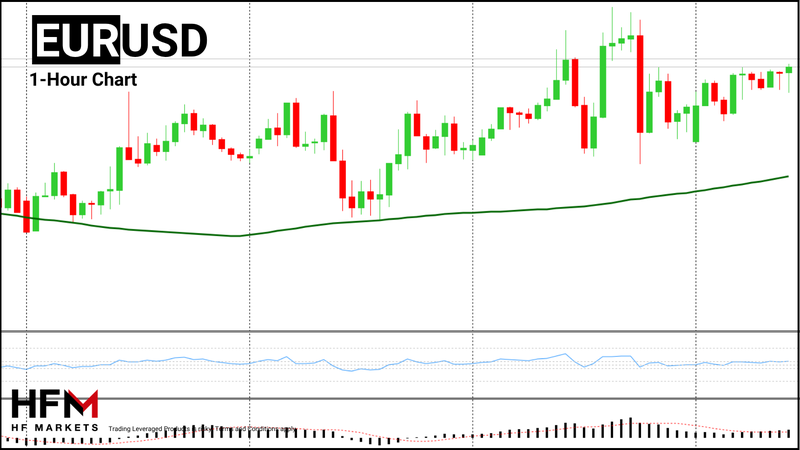
HFM - EURUSD 1-Hour Chart
In terms of technical analysis, the Euro has a slight edge over the US Dollar for the time being. The price is trading above the key moving averages on most timeframes, but is also at a neutral level on the RSI. During the Asian session, the price of the EUR/USD rose but is now trading sideways. Investors are most likely awaiting for the latest data to be made public.
If the price rises above 1.16405, buy signals could start to materialise from the breakout and bullish crossover. However, traders should be cautious of the resistance levels at 1.16535 and 1.16795. However, if the PPI release pushes the price down, with a weaker PPI reading, sell signals may potentially materialise at 1.16340 and 1.16290.
Key Takeaways:
* The ECB is expected to hike rates by 25 basis points, but Lagarde?s guidance on future hikes will be more important for the Euro.
* Higher Eurozone inflation and rising oil prices could strengthen the case for further ECB tightening later this year.
* US PPI and CPI will be key for Fed expectations, with stronger-than-expected inflation likely to support the US Dollar.
* EUR/USD remains technically supported, with 1.16405 as a key upside trigger and resistance around 1.16535?1.16795.
Always trade with strict risk management. Your capital is the single most important aspect of your trading business.
Please note that times displayed based on local time zone and are from time of writing this report.
Click HERE to access the full HFM Economic calendar.
Want to learn to trade and analyse the markets? Join our webinars and get analysis and trading ideas combined with better understanding of how markets work. Click HERE to register for FREE!
Click HERE to READ more Market news.
Michalis Efthymiou
HFMarkets
Disclaimer: This material is provided as a general marketing communication for information purposes only and does not constitute an independent investment research. Nothing in this communication contains, or should be considered as containing, an investment advice or an investment recommendation or a solicitation for the purpose of buying or selling of any financial instrument. All information provided is gathered from reputable sources and any information containing an indication of past performance is not a guarantee or reliable indicator of future performance. Users acknowledge that any investment in Leveraged Products is characterized by a certain degree of uncertainty and that any investment of this nature involves a high level of risk for which the users are solely responsible and liable. We assume no liability for any loss arising from any investment made based on the information provided in this communication. This communication must not be reproduced or further distributed without our prior written permission.
Offline
#27 14-09-2026 16:12:26
- HFM
- Member
- Registered: 26-06-2014
- Posts: 2051
Re: HFMarkets (hfm.com): Market analysis services.
Date: 14th September 2026.
NASDAQ Falls as AI Concerns, Fed Outlook, and Oil Prices Drive Risk-Off Sentiment.
Trading Leveraged products is Risky
AI companies are clashing with the White House over developing AI products. The NASDAQ fell 1.30% on Monday as Wall Street turn ?risk-off? due to a potential AI slowdown. In addition to this, investors turned their attention to key central bank decisions, including the Federal Reserve, Bank of England, and Bank of Japan.
The decline is not only seen among tech-stocks, indices globally are trading lower. The worst performing indices are the Nikkei 225, NASDAQ, and the Euro Stoxx 50. The downward pressure seen in the equity market is partially due to the talk of slowing down AI development, but also due to a more hawkish global monetary policy. The market now expects the Federal Reserve and the Bank of Japan to hike by 0.25% this week.
The best-performing currencies of the day are the US Dollar, Canadian Dollar and Swiss Franc. The worst-performing are the New Zealand Dollar and Australian Dollar.
NASDAQ - AI Slow Down Gets President Trump?s Attention
The NASDAQ saw a relatively strong and rare bearish price gap this morning. The decline is a combination of three developing stories: the AI slowdown, higher oil prices, and the upcoming Fed decision.
OpenAI was the first major AI company to call for slower development to improve safety and reduce potential future risks. After the comments by OpenAI?s CEO, the NASDAQ saw some decline but was able to bounce back the next day. However, Anthropic has now also taken a similar tone and caught the attention of the White House.
As a result, investors are not waiting for clarity, they are selling now and asking questions later. Anthropic CEO Dario Amodei has suggested allowing independent third-party evaluators to assess new AI systems before launch, an approach OpenAI CEO Sam Altman has also said he supports and plans to adopt.
The White House has pushed back against calls to slow AI development, with President Trump arguing that maintaining America?s technological lead over China is a priority. Trump acknowledged that some safeguards may be necessary but dismissed warnings around AI, stating that ?whoever wins AI wins.? His administration favours industry-led safety measures and opposes restrictions that could slow US innovation or allow China to close the gap.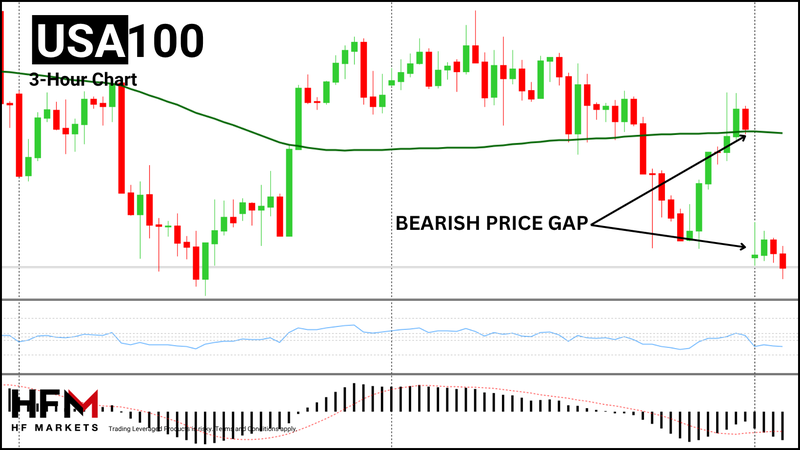
HFM - NASDAQ 3-Hour Chart
The NASDAQ's price movement will now depend largely on whether the government and AI companies can calm investors? nerves. Another key factor will be the Federal Reserve?s guidance on future rate adjustments.
The bearish price gap has taken the index down to the key support level. Downward price movement over the past month has been unable to break below this support level. If the price does fall, lower bearish indications are likely to materialise. When monitoring only the daily price movement, the price is forming a descending triangle pattern, which is known to indicate bearish sentiment. In the short term, bearish signals are likely to remain while the price trades below $29,046.85 and strengthen below $29,000.00.
US Dollar - Fed and Oil Prices
A positive factor for the US Dollar is the expectation for an upcoming interest rate hike and higher oil prices. According to the Chicago Exchange, the possibility of a rate hike from the Federal Reserve on Wednesday evening is 90%. The rate hike is almost fully priced into the market, but not completely. Therefore, the hike could trigger volatility, but the key price drivers will most likely be the Fed?s tone and oil prices.
Oil prices have now remained above $100 for almost three days. Oil prices rose sharply at the start of the week, with Brent crude climbing above $108 per barrel as tensions in the Middle East intensified. The main concern is the shutdown of Saudi Arabia?s key East-West pipeline following drone attacks, reducing an important alternative route that bypasses the Strait of Hormuz.
Simultaneously, continued Houthi attacks and renewed threats around major shipping routes have increased fears of further supply disruptions. If the Federal Reserve provides a hawkish tone and oil prices remain close to $100 per barrel, the US Dollar could maintain bullish price movement.
Of particular interest is the EUR/USD, which has fallen below the support level and is experiencing strong bearish price action.
Key Takeaway Points:
* AI slowdown concerns and White House opposition are increasing uncertainty across the technology sector and weighing on the NASDAQ.
* Global equity markets are under pressure as investors prepare for potentially more hawkish decisions from major central banks.
* The US Dollar remains supported by expectations of a Federal Reserve rate hike and elevated oil prices.
* Brent crude above $100 continues to raise inflation concerns and increase volatility across financial markets.
Always trade with strict risk management. Your capital is the single most important aspect of your trading business.
Please note that times displayed based on local time zone and are from time of writing this report.
Click HERE to access the full HFM Economic calendar.
Want to learn to trade and analyse the markets? Join our webinars and get analysis and trading ideas combined with better understanding of how markets work. Click HERE to register for FREE!
Click HERE to READ more Market news.
Michalis Efthymiou
HFMarkets
Disclaimer: This material is provided as a general marketing communication for information purposes only and does not constitute an independent investment research. Nothing in this communication contains, or should be considered as containing, an investment advice or an investment recommendation or a solicitation for the purpose of buying or selling of any financial instrument. All information provided is gathered from reputable sources and any information containing an indication of past performance is not a guarantee or reliable indicator of future performance. Users acknowledge that any investment in Leveraged Products is characterized by a certain degree of uncertainty and that any investment of this nature involves a high level of risk for which the users are solely responsible and liable. We assume no liability for any loss arising from any investment made based on the information provided in this communication. This communication must not be reproduced or further distributed without our prior written permission.
Offline
#28 15-09-2026 12:32:24
- HFM
- Member
- Registered: 26-06-2014
- Posts: 2051
Re: HFMarkets (hfm.com): Market analysis services.
Date: 15th September 2026.
NASDAQ Rebound Ends as US Bond Yields Break Above 5%.
Trading Leveraged products is Risky
Technology stocks attempt a rebound after declining to a five-week low. However, fundamentals continue to weigh on demand as yields and oil prices rise. The US 10-year bond yield has now reached the highest level since 2007 and risen above the critical 5% mark. Oil prices also continue to remain above $100 and have reached a high of $103.45.
In addition to volatility among technology stocks, the US Dollar also moves higher and is the best-performing currency. The worst-performing currencies are the Japanese Yen and New Zealand Dollar. Market indications continue to point towards investors pricing in more frequent rate hikes, lower consumer sentiment, and higher credit risk. A key indication that investors are paying close attention to is bond yields rising to levels that indirectly contributed to the 2007-2008 financial crisis.
NASDAQ Rebound Fails as Investors Await AI Clarity
The NASDAQ has fallen 0.30% this morning and 1% from the most recent high. Investors on Monday did take advantage of the lower purchase price, which boosted demand as a result. However, many elements continue to point towards the possibility of stock market weakness.
A key development is in the AI sector which continues to see AI companies and the White House clash. Lawmakers are developing legislation to address AI safety concerns. This includes a bipartisan group of senators working on measures that would require leading AI developers to take steps to prevent catastrophic risks.
White House advisor David Sacks advises that AI-companies are looking for the government to loosen legislation related to antitrust and reliability. According to experts, this is not likely to change, and for this reason, AI-companies will look to slow production to closely monitor risks. Traders should keep in mind that AI development has been one of the key drivers of the market?s bullish trend over the past three years. A key risk for investors is the possibility that this momentum weakens, removing an important source of support for the broader market.
In addition to this, tomorrow?s Federal Reserve interest rate decision and the Chair?s tone are likely to create considerable volatility. Currently, investors are pricing in up to two interest rate hikes in 2026. If the Fed hikes tomorrow evening and takes a hawkish tone, demand for stocks could fall.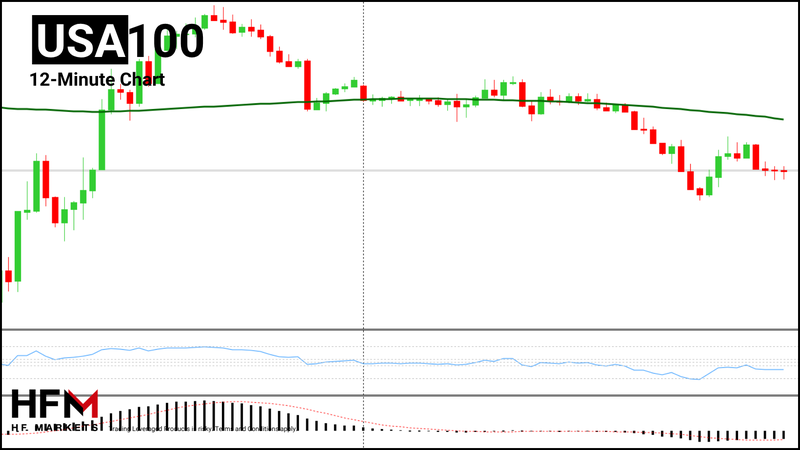
HFM - NASDAQ 12-Minute Chart
Currently, the price remains below key moving averages and below the VWAP. Order flow is also indicating weakness in demand. If the price falls below $29,004.38, sell signals from technical analysis are likely to strengthen. If the price rises above $29,215.65, sell signals in the short term will be completely erased.
GBP/USD - US Dollar Rises While UK Employment Weakness Pressures the Pound
The British Pound is coming under pressure from the most recent employment data. The UK?s monthly benefit claims have risen by almost 28,000, significantly higher than previous expectations. The figure is also a three-month high and is considerably weaker compared to the latest US NFP data. In addition to this, the market continues to expect the Bank of England to keep interest rates unchanged on Thursday, unlike the Federal Reserve and European Central Bank.
The US Dollar Index rose 0.20% during this morning?s Asian session and is also close to forming a bullish breakout. Supporting the US Dollar is the increase in bond yields and rate-hike expectations. The fact that US 10-year bond yields have risen above 5% could trigger lower risk appetite. This could also support the US Dollar due to its safe haven-status.
The price of the GBP/USD is forming clear bearish swings and lower highs. Technical indicators also point towards a bearish bias, but investors will be cautious of the support level at 1.34630. Bearish sentiment is likely to remain while the GBP/USD remains below the 200-bar moving average at 1.34915.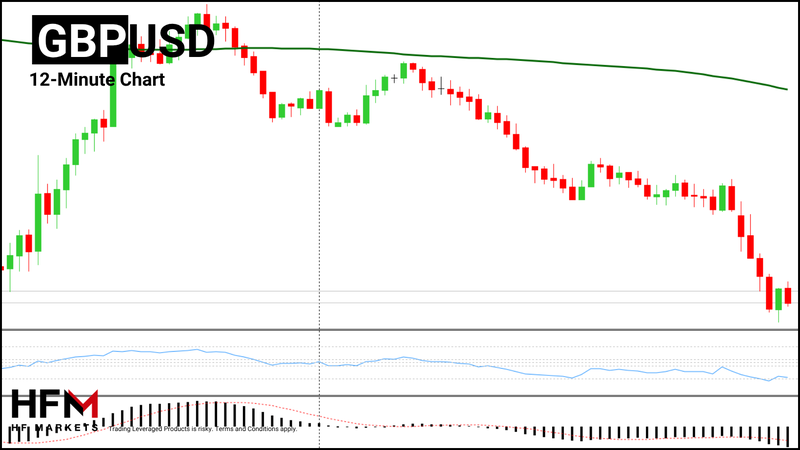
HFM - GBPUSD 12-Minute Chart
Key Takeaways:
* Technology stocks remain under pressure despite attempts to rebound from recent five-week lows.
* US 10-year bond yields above 5% are increasing concerns around borrowing costs and financial conditions.
* Oil prices above $100 are reinforcing inflation concerns and adding pressure on broader market sentiment.
* The US Dollar is strengthening as investors price in further rate hikes and rising risk aversion.
Always trade with strict risk management. Your capital is the single most important aspect of your trading business.
Please note that times displayed based on local time zone and are from time of writing this report.
Click HERE to access the full HFM Economic calendar.
Want to learn to trade and analyse the markets? Join our webinars and get analysis and trading ideas combined with better understanding of how markets work. Click HERE to register for FREE!
Click HERE to READ more Market news.
Michalis Efthymiou
HFMarkets
Disclaimer: This material is provided as a general marketing communication for information purposes only and does not constitute an independent investment research. Nothing in this communication contains, or should be considered as containing, an investment advice or an investment recommendation or a solicitation for the purpose of buying or selling of any financial instrument. All information provided is gathered from reputable sources and any information containing an indication of past performance is not a guarantee or reliable indicator of future performance. Users acknowledge that any investment in Leveraged Products is characterized by a certain degree of uncertainty and that any investment of this nature involves a high level of risk for which the users are solely responsible and liable. We assume no liability for any loss arising from any investment made based on the information provided in this communication. This communication must not be reproduced or further distributed without our prior written permission.
Offline
#29 16-09-2026 10:53:58
- HFM
- Member
- Registered: 26-06-2014
- Posts: 2051
Re: HFMarkets (hfm.com): Market analysis services.
Date: 16th September 2026.
Fed Rate Decision in Focus: GBP/USD, S&P 500, and Gold Outlook.
Trading Leveraged products is Risky
All eyes are on the Federal Reserve?s rate decision, while the Middle East and the AI slowdown take a back seat. Market participants are pricing in a rate hike of 0.25% which would be positive for the US Dollar but more or less negative for all other assets. However, a key element will be the Federal Reserve?s tone during the press conference.
The US Dollar Index rose to a two-week high this morning but has since lost momentum. Oil prices also continue to rise, putting further pressure for the Federal Reserve to continue hiking in the coming months. Lastly, Gold and equities continue to remain weak, but are not currently declining.
GBP/USD - Markets Price In Fed Rate Hike
Of particular interest to traders who are looking to trade the Dollar long is the GBP/USD. The GBP is coming under pressure from the latest weak employment data and expectations of a Bank of England pause. The Bank of England will announce its rate decision on Thursday and is likely to be the only central bank among the ?top four? currencies not to hike this month. The European Central Bank adjusted rates by 0.25% last week, and markets expect the Fed and Bank of Japan to do the same this week.
The Pound is not the worst-performing currency of the week nor the month, however, it is the worst-performing currency of the past 24 hours. If the Fed and the BoJ both hike and sound relatively hawkish, the GBP may become unattractive in the medium term.
Currently, the bond market is indicating a hawkish Federal Reserve, however, the Fed Chair is not likely to give concrete guidance. Nonetheless, his tone on inflation could become extremely influential. If the Federal Reserve seems willing to hike consecutively, the US Dollar could again find support and again rise above 100.000.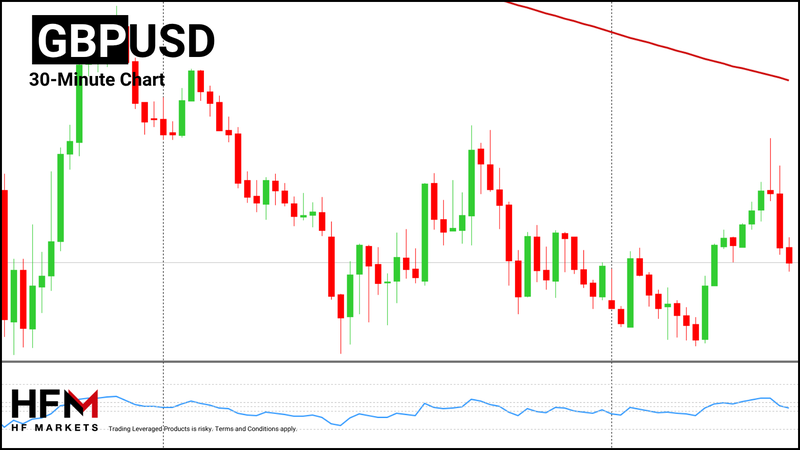
HFM - GBP/USD 30-Minute Chart
The GBP/USD on a 1-hour timeframe is forming a descending triangle pattern, which indicates low demand for the pound. In addition to this, the GBP/USD is trading below the key moving averages on most timeframes. In the past hour, the bearish momentum has continued to gain speed as UK inflation failed to rise above expectations. As a result, a pause from the Bank of England now appears more likely.
S&P 500 - Sellers Remain Active
The S&P 500 is experiencing impulse waves in both directions as there clearly seems to be a tug-of-war between buyers and sellers. Nonetheless, bearish impulse waves remain slightly larger than bullish ones. Currently, the stock market is under pressure from the possibility of an AI slowdown, higher oil prices, geopolitical tensions, US-Canadian tariffs, and the possibility of multiple rate hikes.
The VIX Index trades slightly lower during this morning?s session, providing a slight positive for equities. However, the put-to-all ratio continues to indicate that sellers remain active.
In the short medium term, tonight?s Fed decision and press conference are likely to be the main price drivers. Currently, 93% of investors believe the Fed will hike tonight, but only 43% believe it will hike in October. If the possibility of an October rate hike increases, the stock market could continue to come under strain. Sell signals are likely to strengthen significantly if the price falls below $7,591.65. At this price, 65% of the retracement would have been lost, shifting momentum back in favour of sellers.
Gold Prices Spike Before Fed Decision
During this morning?s Asian session, Gold witnessed strong gains. However, volatility remains uncertain until the market obtains clarity from the Federal Reserve. However, Gold remains under pressure on certain timeframes despite attempting to rebound. With spot gold trading near $4,328 today, the immediate technical picture remains neutral to bearish while price stays below $4,360?$4,380. A sustained break above this resistance could open the door toward a more bullish outlook.
However, in the short term, the bullish momentum from this morning is pushing the price above moving averages and the VWAP. Therefore, on certain timeframes, the indications are bullish. If the price falls back below $4,303, bullish signals will also fade on smaller timeframes.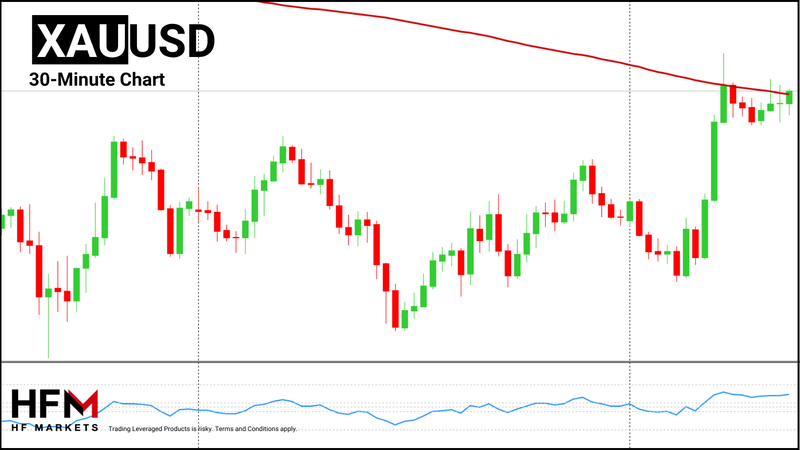
HFM - Gold 30-Minute Chart
Key Takeaways:
* Markets are focused on the Federal Reserve?s rate decision and guidance on future hikes.
* The US Dollar remains supported, while GBP/USD faces pressure from weaker UK fundamentals.
* The S&P 500 remains vulnerable as sellers stay active ahead of the Fed announcement.
* Gold is attempting to recover, but remains below key resistance levels in the short term.
Always trade with strict risk management. Your capital is the single most important aspect of your trading business.
Please note that times displayed based on local time zone and are from time of writing this report.
Click HERE to access the full HFM Economic calendar.
Want to learn to trade and analyse the markets? Join our webinars and get analysis and trading ideas combined with better understanding of how markets work. Click HERE to register for FREE!
Click HERE to READ more Market news.
Michalis Efthymiou
HFMarkets
Disclaimer: This material is provided as a general marketing communication for information purposes only and does not constitute an independent investment research. Nothing in this communication contains, or should be considered as containing, an investment advice or an investment recommendation or a solicitation for the purpose of buying or selling of any financial instrument. All information provided is gathered from reputable sources and any information containing an indication of past performance is not a guarantee or reliable indicator of future performance. Users acknowledge that any investment in Leveraged Products is characterized by a certain degree of uncertainty and that any investment of this nature involves a high level of risk for which the users are solely responsible and liable. We assume no liability for any loss arising from any investment made based on the information provided in this communication. This communication must not be reproduced or further distributed without our prior written permission.
Offline
#30 17-09-2026 10:42:03
- HFM
- Member
- Registered: 26-06-2014
- Posts: 2051
Re: HFMarkets (hfm.com): Market analysis services.
Date: 17th September 2026.
A Hawkish Fed Hike: What?s Next For the Market?
Trading Leveraged products is Risky
The Federal Reserve hiked interest rates for the first time in three years, but what does it mean for the market? The US central bank has raised its Federal Funds Rate from 3.75% to 4.00%. Markets traditionally consider a rate above 4.00% to be restrictive. Markets are broadly interpreting the press conference after the rate decision as hawkish.
In response, the US Dollar Index rose 0.70% and is yet to form a bearish correction. Gold fell more than 3.00% due to the Fed?s stance but has since risen by 1.40%. Lastly, the S&P 500 fell almost 1.60% but has almost fully regained its losses. Nonetheless, the Fed?s hawkish stance is generally considered to be negative for both Gold and the stock market.
Federal Reserve Rate Hike and Hawkish Press Conference - US Dollar Index
The Federal Reserve raised its main rate from 3.75% to 4.00% in line with market expectations. However, despite the market pricing in a rate hike, the US Dollar Index still rose 0.20% immediately after the change. The subsequent press conference and dot plot helped maintain momentum throughout the US and Asian sessions.. The Dollar has been slightly weakening as the European open edges closer.
An important factor to the Dollar?s rise was the fact that the decision was unanimous. There was a 95% chance of the Fed increasing rates, according to most exchanges. However, most economists believed some of the dovish members might stick to the decision to hold. All 12 members voted for a rate hike.
The dot plot was also one of the most hawkish signals. The September projections showed that 16 of 18 policymakers expect at least one additional 25-basis-point hike before the end of 2026. The median projection puts rates at around 4.00-4.25% by year-end, versus the new 3.75?4.00% range today. Oil prices remain above $100 per barrel, meaning that the current hawkish signal may become even stronger in October.
Kevin Warsh?s press conference was clearly hawkish, but analysts do not class it as aggressively hawkish. Nonetheless, Mr Warsh told journalists that the economy is strong and becoming more resilient over the years. In addition to this, the Fed chair told the market that the ?the economy is not the problem, inflation is?. Lastly, this morning the former Fed governor told Bloomberg that three rate hikes over the next 12-months sounds too high.
GBP/USD - BoE to Opt for a Hawkish Pause?
Most economists continue to believe the Bank of England will pause but may have a slight hawkish tilt. The Pound Index is witnessing no gains or losses, while the US Dollar is seeing a slight gain this morning. Most of the Dollar?s bullish price movement was seen yesterday evening after the Fed?s rate decision. The GBP/USD will continue to be under the influence of the hawkish Fed up to the upcoming NFP and inflation data. However, in the short-term, today?s Monetary Policy Committee?s votes are likely to trigger the main volatility.
Currently, markets are expecting three members of the MPC to vote for a hike, while six vote for a pause. If only two vote for a hike, the GBP could come under immense pressure. If more than three vote for a hike, the GBP/USD could attempt a full price correction despite the difference in the countries? monetary policies.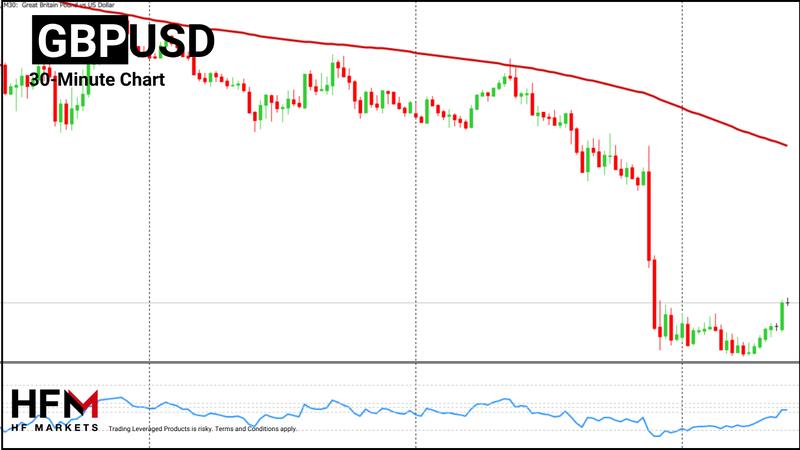
HFM - GBPUSD 30-Minute Chart
The GBP/USD is showing a bearish technical structure across all main timeframes. On the 5-minute chart, momentum remains negative, although the pair is becoming oversold, meaning a short-term corrective rebound is possible before sellers potentially return. The 30-minute chart shows a bearish trend, with the price trading below its key short-term moving averages and continuing to form lower highs and lower lows. On the daily chart, the exchange rate has broken beneath the 200-day moving average, strengthening the bearish technical outlook.
In the short-term, sell signals are likely to remain unless the price rises above 1.33865, and buy signals are unlikely to materialise unless the price rises above the 200-bar moving average at 1.33980.
Key Takeaways:
* The Federal Reserve delivered its first rate hike in three years, moving policy into a more restrictive range.
* A unanimous vote and the Fed dot plot indicate a further hike, helping push the US Dollar higher.
* Gold and stocks initially came under pressure. Gold fell sharply and the S&P 500 declined after the decision, although both later recovered part of their losses.
* The GBP/USD is under pressure from the stronger Dollar, while today?s Bank of England vote split could drive the next major move.
Always trade with strict risk management. Your capital is the single most important aspect of your trading business.
Please note that times displayed based on local time zone and are from time of writing this report.
Click HERE to access the full HFM Economic calendar.
Want to learn to trade and analyse the markets? Join our webinars and get analysis and trading ideas combined with better understanding of how markets work. Click HERE to register for FREE!
Click HERE to READ more Market news.
Michalis Efthymiou
HFMarkets
Disclaimer: This material is provided as a general marketing communication for information purposes only and does not constitute an independent investment research. Nothing in this communication contains, or should be considered as containing, an investment advice or an investment recommendation or a solicitation for the purpose of buying or selling of any financial instrument. All information provided is gathered from reputable sources and any information containing an indication of past performance is not a guarantee or reliable indicator of future performance. Users acknowledge that any investment in Leveraged Products is characterized by a certain degree of uncertainty and that any investment of this nature involves a high level of risk for which the users are solely responsible and liable. We assume no liability for any loss arising from any investment made based on the information provided in this communication. This communication must not be reproduced or further distributed without our prior written permission.
Offline