You are not logged in.
Pages: 1
- Index
- » Analyses / Forecasts (by major banks and brokers)
- » What does the BOE interest rate decrease mean for traders?
#1 11-03-2020 18:36:53
- johnedward
- Admin & Trader

- From: Paris - France
- Registered: 21-12-2009
- Posts: 3861
- Website
What does the BOE interest rate decrease mean for traders?
What does the BOE interest rate decrease mean for traders?
After the U.S. Federal Reserve cut rates on Super Tuesday last week, it was almost inevitable that central banks around the world would follow suit. A few days after this announcement, the Bank of Canada followed its North American counterparts by announcing that Mr. Poloz would also be cutting rates. What about the Europeans? What steps could they take to ease market tensions?
On yesterday morning, the Bank of England announced that it too would cut rates as part of its first emergency rate cut since the global crisis 12 years ago. The decision comes at a time when the bank says its intention will be to "protect businesses and jobs". The rate cut is at its lowest point in history, as the bank hopes to ensure economic recovery even while the virus situation worsens.
Who is it aimed at?
The effects of this situation are twofold: on the one hand, lending and, on the other, the potential increase in consumer confidence. Secondly, they help to stimulate trader activity. The latter has already begun to take shape, with the FTSE 100 rising by almost 2% in the immediate aftermath of the news.
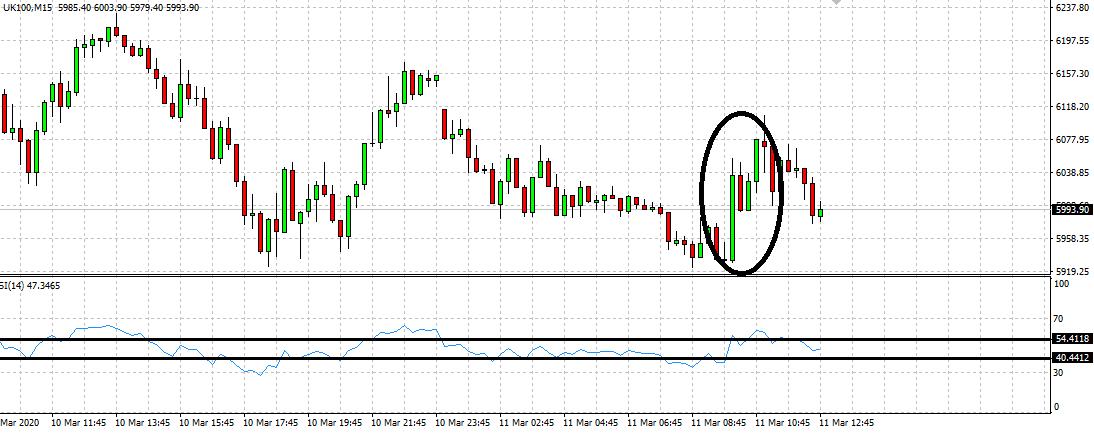
However, while this news has the potential to stimulate consumer lending and increase borrowing, it has already created panic as stock prices began to fall once the news was well digested.
The new virus hoopla seems to be intensifying and creating more damage. So far, out of more than 30,000 people tested, 401 cases have been reported. As the infection spreads, public gatherings and sporting events have begun to be cancelled as a precautionary measure. Arsenal and Manchester City have decided to postpone their games, which could lead to the same thing for other sports teams.
Effects on the British pound
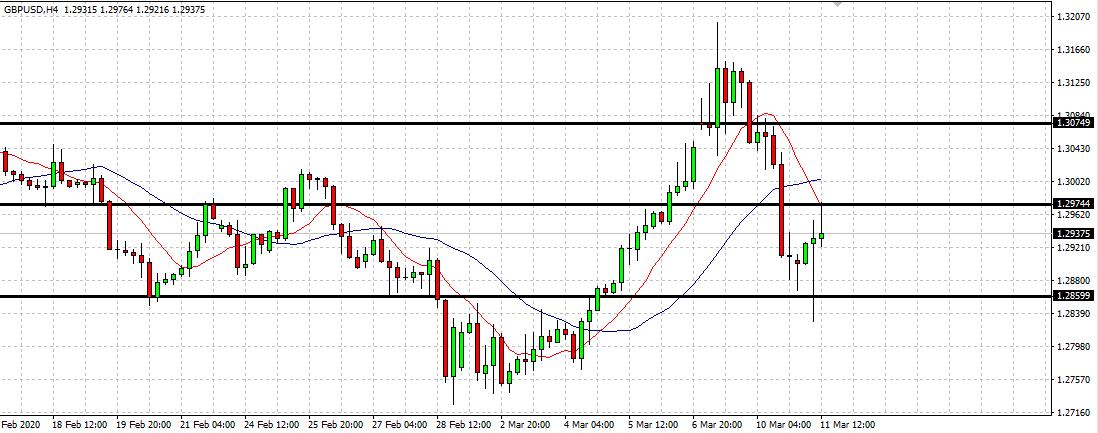
This movement allowed the British pound to strengthen against the US dollar. The pound moved 1249 pips in a few dozen minutes, but the level of uncertainty as to what this actually meant caused the markets to return to the rates quoted prior to the news.
Today, the ECB is expected to follow the lead of the world's other major central banks in making an emergency cut. Bank chief Mrs. Lagarde has already stated forcefully that Europe must act to make the markets more flexible. In what many see as a form of forward-looking guidance on what it is likely to do tomorrow. If this decision were to be taken, it would be the first emergency cut in 12 years, and the first time that the main central banks have taken such an important joint decision for the good of global markets since the bursting of the housing and mortgage bubble in the United States.
"Anything worth having is worth going for - all the way." - J.R. Ewing
Offline
Pages: 1
- Index
- » Analyses / Forecasts (by major banks and brokers)
- » What does the BOE interest rate decrease mean for traders?