You are not logged in.
Pages: 1
- Index
- » Analyses / Forecasts (by major banks and brokers)
- » FTSE/DAX indices: The U.S. closes its doors to Europe
#1 16-03-2020 09:14:37
- johnedward
- Admin & Trader

- From: Paris - France
- Registered: 21-12-2009
- Posts: 3861
- Website
FTSE/DAX indices: The U.S. closes its doors to Europe
FTSE/DAX indices: The U.S. closes its doors to Europe
Was Friday the day that the world closed? The world's largest economy closed its doors to travellers from Europe as the virus situation escalated. In a statement from the White House, Donald Trump announced that for 1 month, starting Saturday, the United States will no longer allow any travellers from Europe.
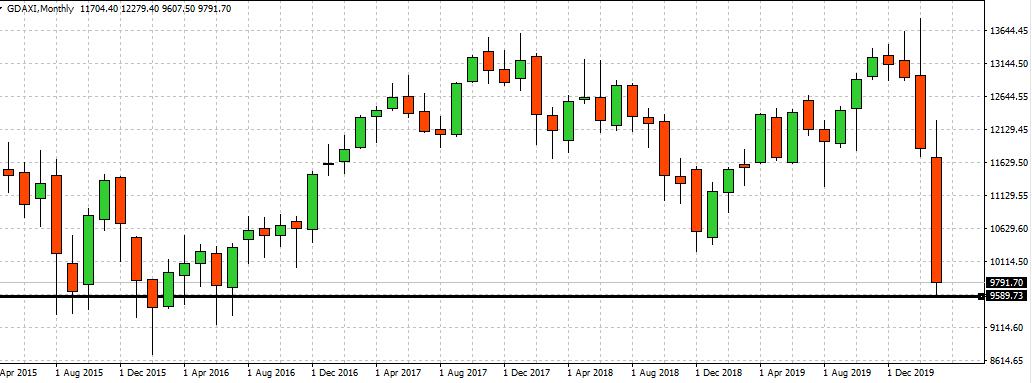
In the immediate aftermath of that announcement, we saw tremendous bearish activity in the related European markets. The euro fell significantly against most major currency pairs, from $1.14 to $1.12 versus the dollar. The DAX also saw huge selling levels, falling to a 3-year low at 9561.
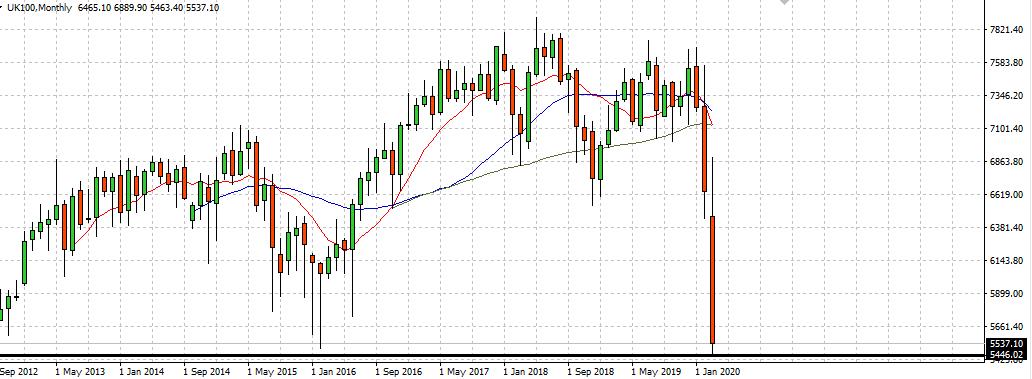
The United Kingdom, which Trump did not include in his travel ban, also saw its national index, the FTSE 100, fall on the news. It dropped to 5450. The GBPUSD, also known as the "cable", hit $1.28, its lowest level since last October.
So what will happen next?
The European solution
We will soon see the ECB give its rate decision in what many expect to be another cut. However, the European Central Bank, which currently has a base rate margin of 0%, may need to take drastic measures to help alleviate business and consumer concerns. Prior to President Trump's announcement, Mrs. Lagarde, who heads the Bank, had already said that Europe as a whole must come together and take the necessary decisions to begin the steps to address this ever-growing problem.
The FTSE index, which is now quoted at its lowest level in over 7 years, sees all the gains made since early 2016 wiped out in the last 8 weeks. Traders who might have been involved at that time are now faced with the difficult decision of whether to continue to hold their shares or to flee these markets and seek refuge in safe havens.
DAX
Like the UK's FTSE index, Germany's DAX30 index has also seen huge gains melt into losses. As we speak, two years of gains have been erased in two months. DAX traders are probably facing similar situations to those in the UK. Friday's ECB statement was eagerly awaited by those hoping that the powers that be could stimulate the market to reduce their current losses.
The DAX, which is at its lowest level since the UK's Brexit vote, has still not reached its long-term low, which is about 1000 points from where the markets currently stand. Many believe that we could see a massive sell-off from most of the major markets.
No matter what happens in the next few days, it will be interesting to see how not only the markets, but also consumer behaviour will change. The panic that may ensue will probably also create buying opportunities for those who are qualified enough to find them, so trading volumes in the European and US markets could continue to increase during this period.
"Anything worth having is worth going for - all the way." - J.R. Ewing
Offline
Pages: 1
- Index
- » Analyses / Forecasts (by major banks and brokers)
- » FTSE/DAX indices: The U.S. closes its doors to Europe