You are not logged in.
Pages: 1
- Index
- » Analyses / Forecasts (by major banks and brokers)
- » Vaccine race dictates movements on the currency markets
#1 19-04-2021 09:10:42
- johnedward
- Admin & Trader

- From: Paris - France
- Registered: 21-12-2009
- Posts: 3861
- Website
Vaccine race dictates movements on the currency markets
Vaccine race dictates movements on the currency markets
The EU is expected to regain lost ground in the coming months as more vaccines are distributed.
Last November, the world was given hope in the fight against the virus pandemic when three companies - Pfizer/BioNTech, Moderna and AstraZeneca - announced potentially effective vaccines. These announcements showed enough light at the end of the tunnel to drive the markets up decisively.
However, countries are now engaged in a race for herd immunity through vaccination, with the UK ahead of the rest of Europe in terms of containing Covid-19.
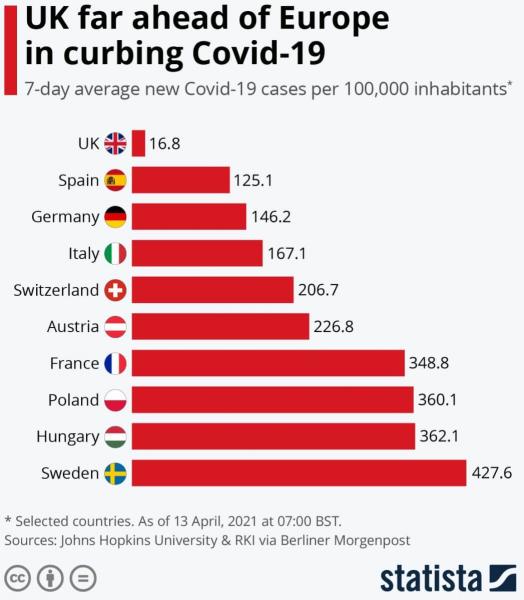
Exchange rates reflect the success of vaccination campaigns
The UK started the vaccine campaign earlier than most other countries by using emergency procedures to authorise new vaccines, while the rest of Europe suffered a vaccine fiasco in the first quarter of this year. In other words, the European Commission ordered its vaccines too late compared to the US and the UK.
The currency market has sold off the EUR/GBP exchange rate since the beginning of the year, with the cross pair falling from 0.90 last December to below 0.85 a week ago.
The EUR/USD also closely reflects differences in vaccine campaigns. It opened the year above 1.23 and then fell to 1.17 at the end of last month. However, the EUR/USD has risen from 1.17 to 1.20 recently as vaccine rates have increased across Europe.
Yesterday, European Commission President Von der Leyen announced that the EU had reached the 100 million vaccines mark, which, considering that a quarter of those vaccinations were second doses, means that about 26 million Europeans have been fully vaccinated.
The road ahead is still full of pitfalls. Delays in deliveries and scepticism about AstraZeneca and Janssen vaccines may mean that other parts of the world are racing ahead. Whatever happens, this will first be reflected in the currency markets.
"Anything worth having is worth going for - all the way." - J.R. Ewing
Offline
Pages: 1
- Index
- » Analyses / Forecasts (by major banks and brokers)
- » Vaccine race dictates movements on the currency markets