You are not logged in.
Pages: 1
- Index
- » Analyses / Forecasts (by major banks and brokers)
- » USD: 3 reasons to buy the dollar
#1 28-11-2021 13:21:00
- johnedward
- Admin & Trader

- From: Paris - France
- Registered: 21-12-2009
- Posts: 3861
- Website
USD: 3 reasons to buy the dollar
USD: 3 reasons to buy the dollar
Three reasons to buy the dollar when everyone else is selling: a hawkish Fed, Powell's reappointment and a tight job market.
The U.S. dollar underperformed Friday as news of a new variant discovered in South Africa triggered a risk-on trend in financial markets. As a result, the Japanese yen and Swiss franc are in demand, while the U.S. dollar is losing ground as Monday's North American trading session approaches.
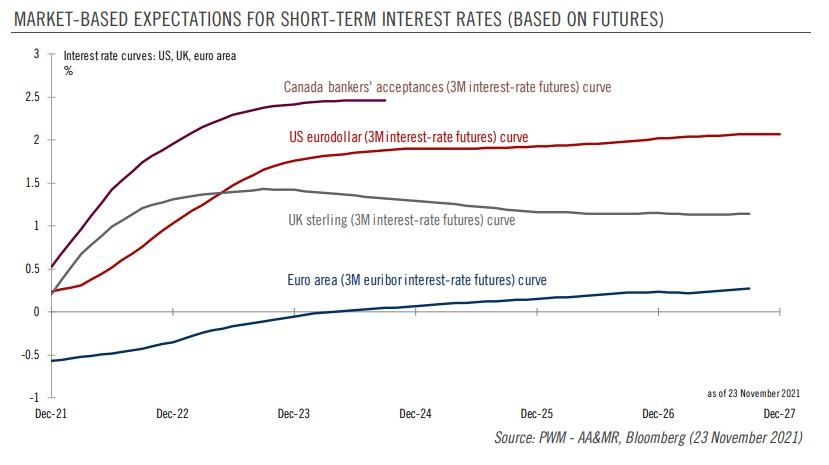
However, for the trader with a medium-term horizon, the dollar is still favored to gain against its peers for at least three reasons: the Fed turning hawkish, Powell's reappointment and a tight job market.
The Fed Gets hawkish
One day before the Thanksgiving vacation, the Federal Reserve released its monetary policy minutes. The minutes are released three weeks after the actual meeting was held and provide more detail on the discussions that took place.
They revealed a more hawkish Fed, ready to act by possibly cutting faster than initially announced and even raising the federal funds rate, should inflation continue to rise.
Powell's reappointment
Joe Biden nominated Jerome Powell for another term as Fed Chairman. Together with new Vice Chairman Lael Brainard, Powell is in charge of monetary policy in the United States for another four years.
To his credit, he has done an excellent job leading the Fed to a bold monetary policy response to the pandemic. As the economy recovered, the USD gained ground on expectations that the Fed would respond to rising inflation. As such, the bias leans to the hawkish side in 2022, even though Brainard is known as a dove.
Tight job market
On the same day with the Fed, the first unemployment registration data was also released. It showed that claims have fallen to their lowest level in 45 years, and if we adjust it for population growth, we can say that claims have never been lower.
These are people claiming unemployment benefits, and the fact that claims are falling suggests a tighter labor market. As such, it is likely that non-farm payrolls will reflect positive developments, bringing the Fed closer to achieving its full employment mandate.
"Anything worth having is worth going for - all the way." - J.R. Ewing
Offline
Pages: 1
- Index
- » Analyses / Forecasts (by major banks and brokers)
- » USD: 3 reasons to buy the dollar